
Why Your Legs Ache at the End of the Day
If your legs feel fine in the morning but become heavy, tired or achy by late afternoon, it can be easy to put it down to a busy day. But when that pattern keeps happening, your veins may be worth considering.
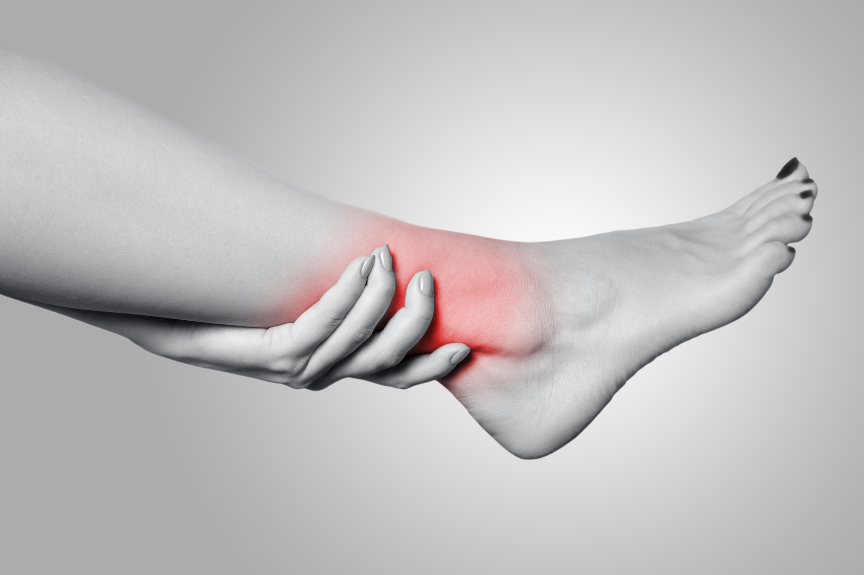
At Vein Doctors Group, aching and heaviness are common symptoms we hear about from people with venous dysfunction. Varicose veins can be associated with aching, chronic discomfort, burning, night cramps, restless legs and swelling. The problem isn’t always obvious from looking at the skin either.
Why can leg aching get worse as the day goes on?
Your leg veins have an important job: returning blood towards your heart while working against gravity. Healthy veins contain one-way valves, while movement of the calf muscles helps push blood upwards.
When these valves aren’t functioning properly, blood can flow backwards and collect within the veins. This can increase venous pressure and contribute to symptoms such as aching, heaviness and swelling.
The effect can become more noticeable later in the day, particularly if you’ve spent long periods sitting or standing. Extended periods in either position are recognised contributors to venous dysfunction and varicose veins.
You don't need obvious varicose veins to investigate your symptoms
One misconception we often encounter is that vein problems must involve large, bulging veins.
What you see on the surface doesn’t necessarily tell us what is happening underneath. Reticular veins sit deeper below the skin, while other abnormal veins may not be readily visible.
That’s why, when clinically appropriate, duplex ultrasound is an important first step in investigating persistent symptoms. It allows us to assess deeper and superficial veins and understand how blood is flowing, rather than relying on appearance alone. At an initial consultation, ultrasound imaging may be used alongside your medical history and clinical examination to investigate the areas of concern.
What can you do about tired, aching legs?
Simple measures can help support circulation. Regular movement is useful, particularly if your work involves prolonged sitting or standing. Elevating your legs while resting may also help and appropriately fitted compression stockings can support the return of blood towards the heart and alleviate symptoms associated with some venous disorders.
If an assessment identifies venous dysfunction, treatment depends on the veins involved and your individual circumstances. Options may include microsclerotherapy for smaller surface veins, Ultrasound Guided Sclerotherapy (UGS) for deeper abnormal veins, or Endovenous Laser Ablation (EVLA) for larger veins.
Not every aching leg needs vein treatment. The important part is understanding what’s causing your symptoms before deciding what, if anything, needs to be done.
When should aching legs be checked?
Consider having your legs assessed if the discomfort is persistent, regularly worsens throughout the day, or occurs alongside symptoms such as:
- heaviness or tiredness
- swelling around the ankles or lower legs
- burning or itching
- night cramps or restless legs
- visible spider or varicose veins
- skin discolouration or changes.
A suddenly swollen and painful leg requires more urgent medical attention, as this can be associated with conditions including deep vein thrombosis (DVT).
Your aching legs may be telling you something
Leg discomfort at 5 pm isn’t automatically a sign of vein disease. But when aching, heaviness or swelling becomes a familiar end-of-day pattern, it’s worth finding out why.
At Vein Doctors Group, we look beyond what’s visible. By assessing your symptoms, medical history and, where appropriate, the blood flow within your veins using duplex ultrasound, we can help determine whether venous dysfunction is contributing to how your legs feel and discuss suitable next steps based on the findings.
If you would like more information head to our website or chat to our friendly team today at 1800 483 467.