Looking for a Vein Doctor? Here’s What You Should Know
If you’ve recently searched for “vein doctors near me”, you’re not alone. Whether it’s aching legs, visible veins, or swelling that won’t settle, many Australians start their journey unsure of what to look for in a vein clinic.
Choosing the right clinic isn’t just about location, it’s about getting an accurate diagnosis, understanding your options, and having a clear treatment plan tailored to you.
Why Seeing a Vein Specialist Matters
Vein conditions like varicose veins and spider veins are more than cosmetic. They’re often linked to underlying vein dysfunction, where blood isn’t flowing efficiently back to the heart.
Common symptoms include:
Symptom | How it may show up |
Aching or heaviness | Worse after long periods of standing |
Swelling | Especially around ankles or calves |
Visible veins | Blue, bulging, or web-like veins |
Skin changes | Discolouration, dryness, or irritation |
If left untreated, vein conditions can progress and may lead to more serious complications over time, including skin changes or, in some cases, clotting issues.
What to Look for When Searching "Vein Doctors Near Me"
Not all clinics offer the same level of assessment or care. Here are four key things to consider when choosing a vein treatment clinic.
1. Understanding What's Driving Your Symptoms
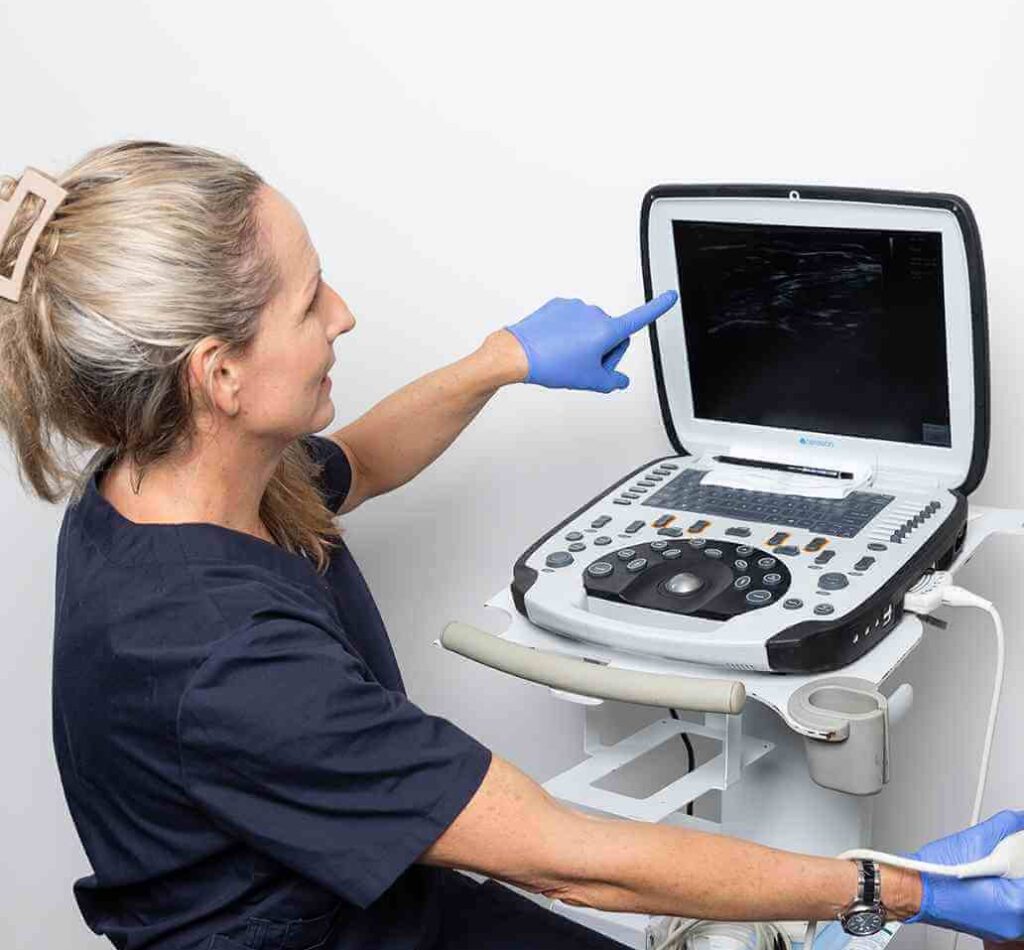
For many vein conditions, getting an accurate picture of what’s happening beneath the surface is an important early step. Where clinically appropriate, duplex ultrasound is the standard tool for this — it assesses blood flow, identifies faulty valves causing reflux, and maps the underlying cause of your symptoms rather than just the visible veins.
This is particularly relevant for varicose veins or symptoms that suggest underlying venous insufficiency, where treating the surface without understanding the source can lead to recurrence. Your doctor will assess whether further investigation is needed based on your individual presentation.
2. Look for a Staged, Comprehensive Treatment Plan
Effective vein care rarely involves a single appointment. A good clinic will provide a clear diagnosis, a treatment plan that addresses the underlying cause first, and structured follow-up to manage smaller veins and optimise your results over time.
Follow-up care is particularly important — smaller untreated veins can contribute to recurrence or ongoing cosmetic concerns if left unaddressed.
3. Access to Modern, Minimally Invasive Treatments
Vein treatment has advanced considerably. Procedures like Endovenous Laser Ablation (EVLA) and Ultrasound-Guided Sclerotherapy (UGS) have largely replaced older surgical approaches — they’re performed in-clinic, require no general anaesthetic, and involve minimal downtime.
When a clinic offers these treatments, it’s a sign they’re working to current clinical standards. It also means care can focus on both medical outcomes — reducing symptoms and slowing progression — and cosmetic outcomes, improving the appearance of visible veins. Addressing both matters; treating only the surface without resolving the underlying dysfunction tends to produce short-lived results.
4. Specific Training in Vein Health (Phlebology)
Vein conditions sit in a specialised area of medicine. Doctors with dedicated training in phlebology are equipped to diagnose and manage a broad range of presentations — from varicose and spider veins to venous insufficiency, swollen legs, pelvic vein conditions, and more complex vascular concerns.
This depth of experience can make a meaningful difference, particularly when symptoms don’t follow a straightforward pattern.
What Happens at Your First Appoitment
At a vein assessment clinic, your first appointment is designed to be clear, supportive, and easy to understand.
It begins with a conversation about your medical history, symptoms, and any risk factors that may be contributing to your concerns. Where clinically indicated, a duplex ultrasound may be performed to give a real-time view of how your veins are functioning and to help identify any underlying cause.
Once this is complete, your doctor will talk you through the findings explaining what’s happening and why. You’ll then be guided through a personalised treatment plan, outlining the most suitable options and what to expect next.
By the end of the appointment, you should have a clear understanding of your condition and a structured plan moving forward, so you can make informed decisions about your care.
When Should you See a Vein Doctor?
You may want to book an assessment if you notice:
- Persistent leg aching or heaviness
- Swelling that doesn’t improve
- Visible varicose or spider veins
- Skin changes or irritation around the ankles
- Symptoms that worsen over time
Early assessment can help guide appropriate management and may reduce the risk of complications.
Choosing the Right Vein Clinic
Not all vein clinics approach care the same way. When weighing up your options, look for a clinic that uses imaging where it’s clinically appropriate, offers modern minimally invasive treatments, and provides structured follow-up rather than a one-off appointment.
Dedicated expertise in vein health matters too, particularly if your symptoms are complex or haven’t been straightforward to manage elsewhere.
The right clinic will take the time to properly assess your situation, explain what they find, and tailor a plan to you, not just treat what’s visible on the surface.
Ready to Take the Next Step?
If you’ve been experiencing leg aching, swelling, or visible veins and want to understand what’s behind them, a consultation is a good place to start. A thorough assessment can give you a clearer picture of what’s happening and what your options are.
At Vein Doctors Group, we know that finding the right clinic can feel overwhelming. If you’re not sure what to ask or what to look for, our guide to the 10 questions to ask your vein doctor is a helpful place to begin — so you can go into any consultation feeling informed and prepared.