


Can Vein Problems Affect Your Sleep?
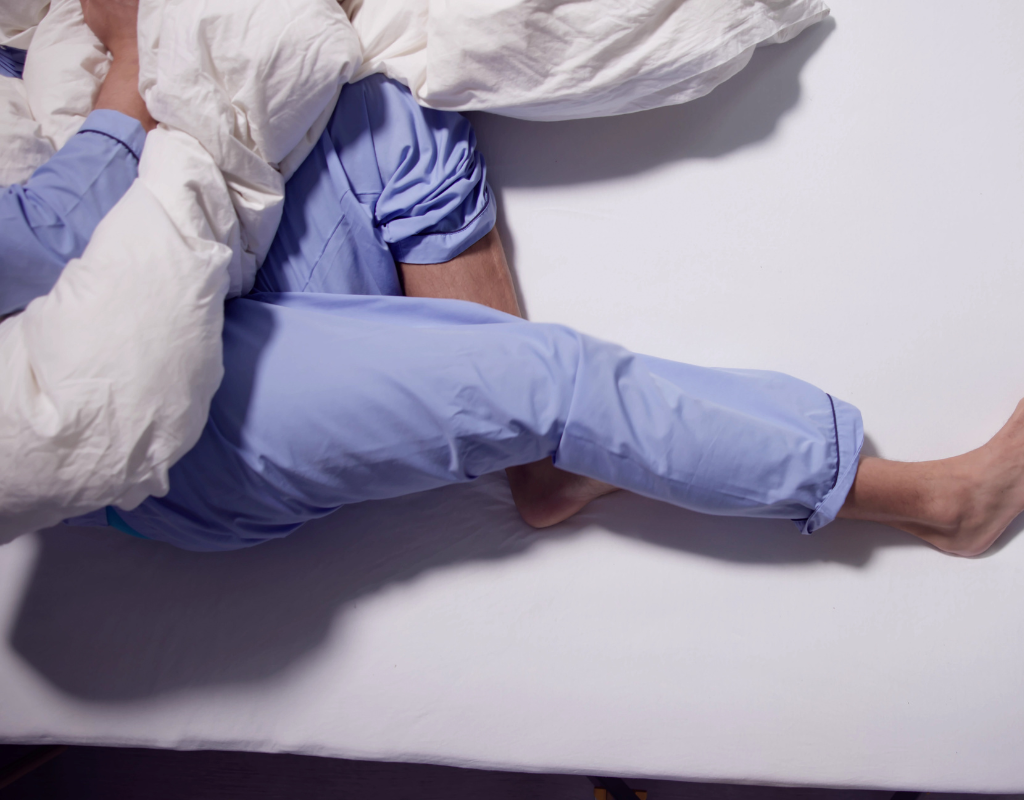
Many people associate venous disease with visible veins or cosmetic concerns. But vein dysfunction can reach further than that; into daily comfort, mobility, and for many patients, sleep quality in ways that are easy to attribute to something else entirely. If you regularly wake with aching legs, throbbing discomfort, restless heaviness, or cramping at night, underlying vein problems may be worth investigating.
Why Symptoms Often Feel Worse at Night
Healthy veins rely on a network of valves to return blood from the legs to the heart. When those valves weaken or fail, blood pools in the lower limbs — raising pressure, triggering inflammation, and producing discomfort that tends to intensify as the day goes on.
During prolonged sitting or standing, pressure builds gradually. By evening, that pressure has had hours to accumulate. When you lie down, the legs have nowhere to redirect that load — and what was manageable during the day becomes harder to ignore at night. Some people find temporary relief by elevating their legs or walking around. That pattern is worth mentioning during a vein assessment.
Which Vein Conditions Can Disrupt Sleep?
Varicose veins and chronic venous insufficiency (CVI) share a common mechanism: valve failure causes blood to flow in the wrong direction and pool within the veins. The resulting pressure and inflammation produce aching, heaviness, and swelling that worsen after long days on your feet or later in the evening. With CVI in particular, this can progress over time — in some cases leading to skin changes or leg ulceration if left unmanaged.
Not all vein-related sleep disruption originates in the legs. Pelvic Venous Congestion Syndrome (PVCS) — more common in women — can contribute to night discomfort, frequent waking, and an urgent need to urinate during the night. PVCS is often under recognised because its symptoms overlap with several other conditions, making accurate assessment and targeted imaging important.
Disrupted sleep can also worsen venous symptoms: poor sleep increases pain sensitivity and reduces daytime activity, which allows venous pressure to build further. Identifying the underlying cause early can help break that cycle before it becomes entrenched.
When to Arrange a Vein Assessment
A vein assessment is worth considering if you regularly experience any of the following:
- Aching or cramping in the legs at night
- Swelling around the ankles or calves
- A burning, throbbing, or itching sensation associated with visible veins
- A heavy or restless quality to the legs that is worse at rest
- Skin changes around the ankles
- Pelvic heaviness or discomfort that worsens by the end of the day
Sudden, painful leg swelling, chest pain, or shortness of breath require urgent medical attention and should not wait for a scheduled appointment.
How Vein Problems Are Assessed
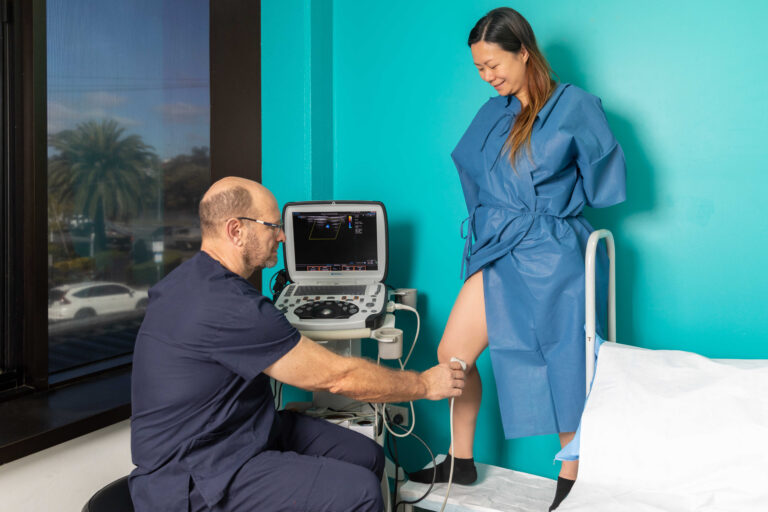
Duplex ultrasound is typically the starting point — a non-invasive scan that examines blood flow, identifies venous reflux, and evaluates both superficial and deeper venous systems. At Vein Doctors Group, ultrasound imaging informs every stage of the clinical process, from initial assessment through to any recommended treatment plan.
Where treatment is clinically indicated, options may include medical-grade compression garments, ultrasound-guided sclerotherapy (UGS), or endovenous laser ablation (EVLA). The approach is guided by ultrasound findings, symptom severity, and the specific veins involved. Modern vein treatments are minimally invasive and do not involve traditional surgical stripping.
If you are regularly waking with heavy or aching legs, a clinical vein assessment can help determine whether venous dysfunction is contributing — and what can be done about it.
Contact our friendly team here to discuss your options or call 1800 483 467.