

Venous Leg Ulcers: Why Compression Is Only Part of the Picture
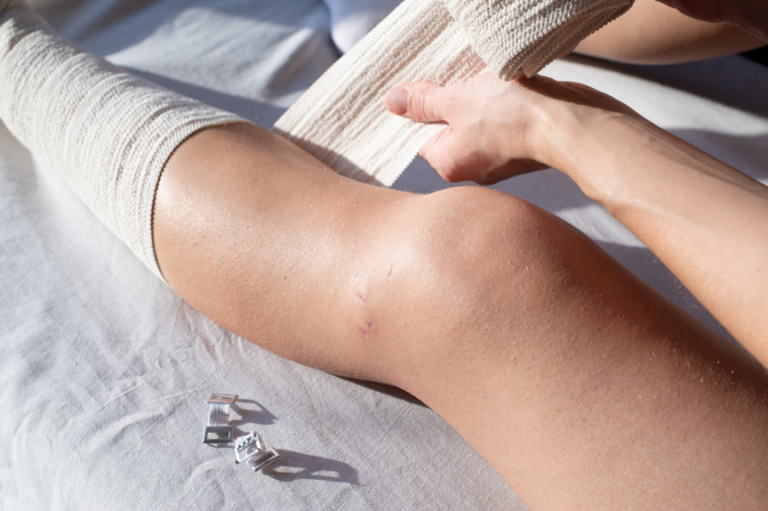
Compression has long been a cornerstone of venous leg ulcer care. It helps control venous hypertension, supports blood flow in the lower leg, and creates conditions in which an ulcer can heal. But compression is only part of the picture.
For many people with a venous leg ulcer, there is an underlying problem with the veins themselves. When the superficial veins are not working properly, blood can flow backwards and raise the pressure inside the lower leg. A condition known as superficial venous reflux. Modern venous ulcer care therefore looks beyond the wound. The aim is not only to deliver effective compression, but also to identify and, where clinically appropriate, treat the venous reflux that may be contributing to the problem.
Effective compression still matters
Compression remains an important part of venous leg ulcer treatment, but not every method of delivering it produces the same results.
A recent randomised controlled trial of 637 adults compared adjustable compression wraps with two-layer compression bandages and other established, evidence-based compression systems. Ulcers treated with adjustable wraps tended to heal more slowly than those treated with established systems, while two-layer bandages performed similarly to established treatments.
Many patients favoured the adjustable wraps because they were comfortable, easy to adjust and simple to remove for activities such as showering. The researchers noted, however, that these same features may make it easier for a wrap to loosen or be taken off, which can reduce the therapeutic compression actually delivered.
Treating the underlying venous reflux
One of the major developments in venous leg ulcer management has been greater attention to treating superficial venous reflux alongside compression.
This approach was examined in the EVRA (Early Venous Reflux Ablation) trial, published in The New England Journal of Medicine. Rather than waiting for an ulcer to heal before treating the underlying superficial veins, researchers looked at whether endovenous treatment carried out early in a patient’s care could improve outcomes. Both groups received compression therapy; the difference was that one group also received early endovenous treatment of superficial venous reflux, while treatment was deferred in the other.
The ulcer-healing results were notable. Median healing time was 56 days with early endovenous treatment plus compression, compared with 82 days when endovenous treatment was deferred. Patients in the early-treatment group also experienced more ulcer-free time during the first year.
The point is not that vein treatment replaces compression. Rather, compression and treatment of the underlying venous problem can play different but complementary roles: compression helps manage the pressure, while treating the incompetent superficial veins may address one of its sources.
Modern minimally invasive treatments can include endovenous laser ablation (EVLA) for appropriate larger refluxing veins and ultrasound-guided sclerotherapy (UGS) for suitable abnormal veins. The treatment required depends on the individual pattern of disease. At Vein Doctors Group, EVLA and UGS are among the treatments used for appropriate venous disease.
Visit our website for more information on EVLA and UGS treatments.
Duplex ultrasound helps us look beyond the wound
Before deciding whether underlying venous disease should be treated, it needs to be properly assessed. A duplex ultrasound is a commonly used and can be an important first step when venous disease is suspected.
Rather than assessing only what is visible at the skin, duplex ultrasound allows clinicians to examine blood flow through the veins and identify reflux or other abnormalities.
This helps answer an important question: is an underlying vein problem contributing to the ulcer?
Not every leg ulcer has the same cause, and not everyone with a venous ulcer will need an endovenous procedure. This is why assessment comes before treatment.
A more complete approch to venous leg ulcer care
The evidence increasingly supports viewing venous leg ulcers as more than wounds that require dressings and compression. Compression remains fundamental but where superficial venous reflux is contributing to venous hypertension, there may also be value in identifying and treating that underlying problem early, rather than concentrating on the ulcer alone.
For appropriate patients, care may therefore combine effective therapeutic compression, appropriate wound management, duplex ultrasound assessment of the venous circulation, and treatment of significant superficial venous reflux where clinically indicated. The key is bringing these elements together according to each patient’s individual condition.
For someone living with a persistent or recurring venous leg ulcer, understanding why the ulcer has developed can be just as important as treating the wound that can be seen.
FAQ
What is a venous leg ulcer?
A venous leg ulcer is an open sore on the lower leg, often around the ankle. It can develop when vein valves are not working properly, allowing blood to flow backwards and increasing pressure in the lower leg. This can affect the skin’s ability to heal, resulting in a wound that remains open for more than two weeks.
Why is compression used for venous leg ulcers?
Compression therapy uses specially designed bandages or stockings to apply firm, controlled pressure to the lower leg. This pressure helps support blood flow back towards the heart, reduce venous pressure and limit fluid build-up in the tissues. By improving these conditions in the lower leg, compression can help reduce swelling and support the healing of venous leg ulcers.
How do you check whether vein problems are contributing to an ulcer?
Duplex ultrasound is a commonly used and important first step when venous disease is suspected. It allows clinicians to assess blood flow and map the veins beneath the skin, helping identify reflux and other abnormalities that may be contributing to the ulcer.
What vein treatments may be considered?
Treatment depends on the pattern and extent of venous disease. Options may include endovenous laser ablation (EVLA) for appropriate larger refluxing veins and ultrasound-guided sclerotherapy (UGS) for suitable abnormal veins. Ultrasound is used to help assess and guide treatment.
References
Gohel MS, Heatley F, Liu X, et al. A Randomized Trial of Early Endovenous Ablation in Venous Ulceration. New England Journal of Medicine. 2018;378:2105–2114. doi:10.1056/NEJMoa1801214.
Clark, G. and Egan, R. (eds.) (2026) Compression wraps offer no healing advantage for venous leg ulcers, clinical trial finds, Medical Xpress. Available at: https://medicalxpress.com/news/2026-07-compression-advantage-venous-leg-ulcers.html (Accessed: 10 August 2026).